Today’s ESG Updates
- IMF Upgrades Global Growth Forecast Amid Eased Tariffs: Growth forecast raised to 3% for 2025 as Trump scales back tariffs.
- ECB Adds Climate Factor to Collateral Framework: ECB to adjust asset valuations by 2026 based on climate risk.
- U.S. Climate Nonprofits Hit by $20B Grant Freeze: Funding cuts force layoffs and program reductions; nonprofits shift focus to local ESG-driven initiatives.
- Europe Turns to Portable ACs as Heatwaves Rise: AC use climbs to 18% in Germany.
Klimado – Navigating climate complexity just got easier. Klimado offers a user-friendly platform for tracking local and global environmental shifts, making it an essential tool for climate-aware individuals and organizations.
IMF upgrades global growth forecast despite risk warning
The IMF raised its global growth forecast for 2025 from 2.8% to 3% citing a reduction in US tariff threats as the cause for the rise. Trump scaled back planned tariffs to a rate of 17% with key trading partners (EU, Japan, and China). However, global trade policy remains uncertain, with few finalised trade agreements continuing geopolitical tension. Experts recommend that businesses incorporate ESG goals to minimise the risk of trade uncertainty and future-proof businesses for rising sustainability factors contributing to international business agreements.
***
Further reading: IMF upgrades global growth forecast as Trump tariffs ease, but warns on risks
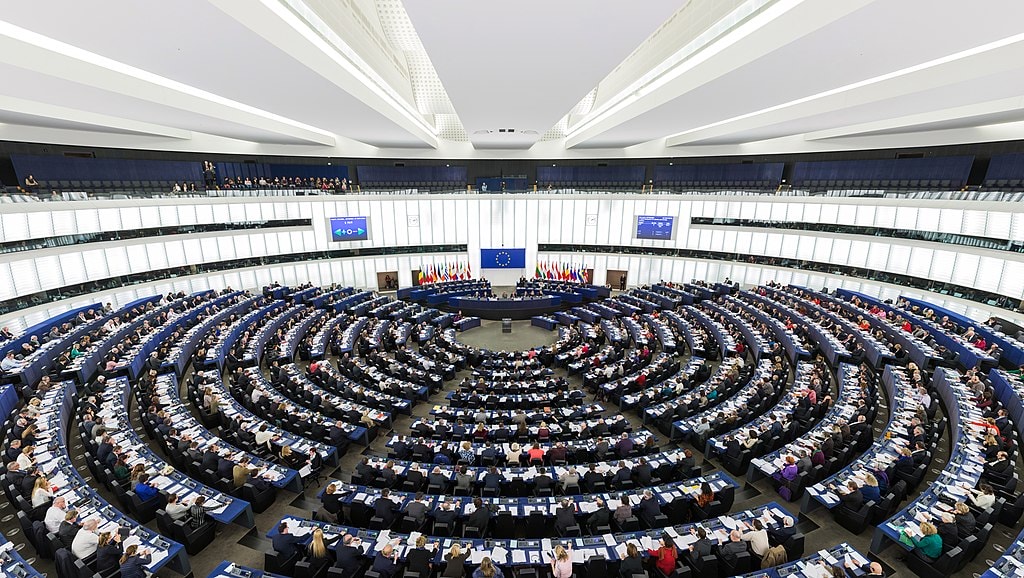
ECB implements climate factor in Collateral Framework

The European Central Bank (ECB) will introduce a “climate factor” into its collateral framework by the second half of 2026. The new climate factor aims to reduce financial vulnerability to climate-related shocks within the Eurosystem. Assets more exposed to climate risks will receive lower valuations as collateral, meaning the ECB will lend less against them. Businesses will need to consider the climatic risks their assets pose to appeal for higher lending. Incorporating ESG tools provides businesses with the necessary data to assess the climate risks of their operations and business.
***
Further reading: ECB Adds Climate Transition Risk into Collateral Framework
Trump’s billions cut in climate funding suffocates non-profits
US climate nonprofits are facing major setbacks due to the EPA halting $20 billion in grants from the Inflation Reduction Act. Rewiring America, which was set to receive nearly $500 million, laid off over 25% of its staff, with other nonprofits also forced to reduce workforce and restructure after losing federal grants. Some organisations saw budget cuts of up to 80%. Foundations like Kresge and MacArthur are increasing support, but nonprofits admit that they cannot fully replace lost federal support. In response, nonprofits are shifting focus to state and local initiatives.
***
Further reading: Trump’s Billions in Climate Cuts Have Nonprofits Scrambling to Survive
Air conditioning spreads across northwest Europe amidst hotter summers

A recent survey showed AC ownership rose from 13% in 2023 to 18% in 2024 as more frequent heatwaves spread across Europe. Around 50% of EU housing predates 1980, making retrofitting difficult. Renters across Germany have pushed for portable AC units as they struggle to cool homes that are not made for the increasing summer temperatures. However, most AC units consume a lot of energy; therefore, experts recommend alternative cooling methods like fans and insulation to avoid spikes in power usage. Experts agree that ESG solutions will be key to transitioning real estate into a more climate-sensitive future.
***
Further reading: Germans Are Finally Embracing Air Conditioning, Even Renters
Editor’s Note: The opinions expressed here by the authors are their own, not those of impakter.com — Cover Photo Credit: Ian Taylor